August 11, 2026
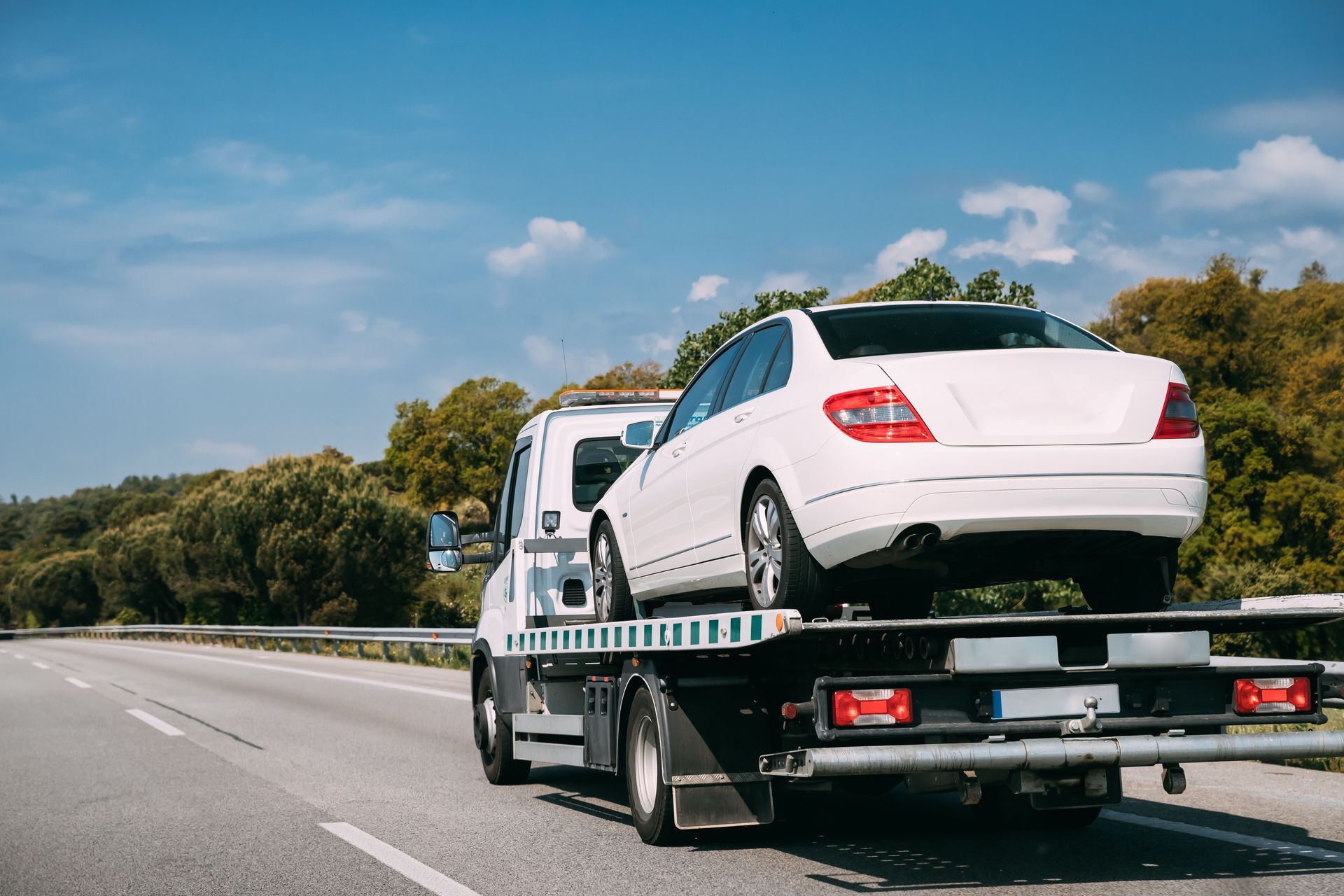
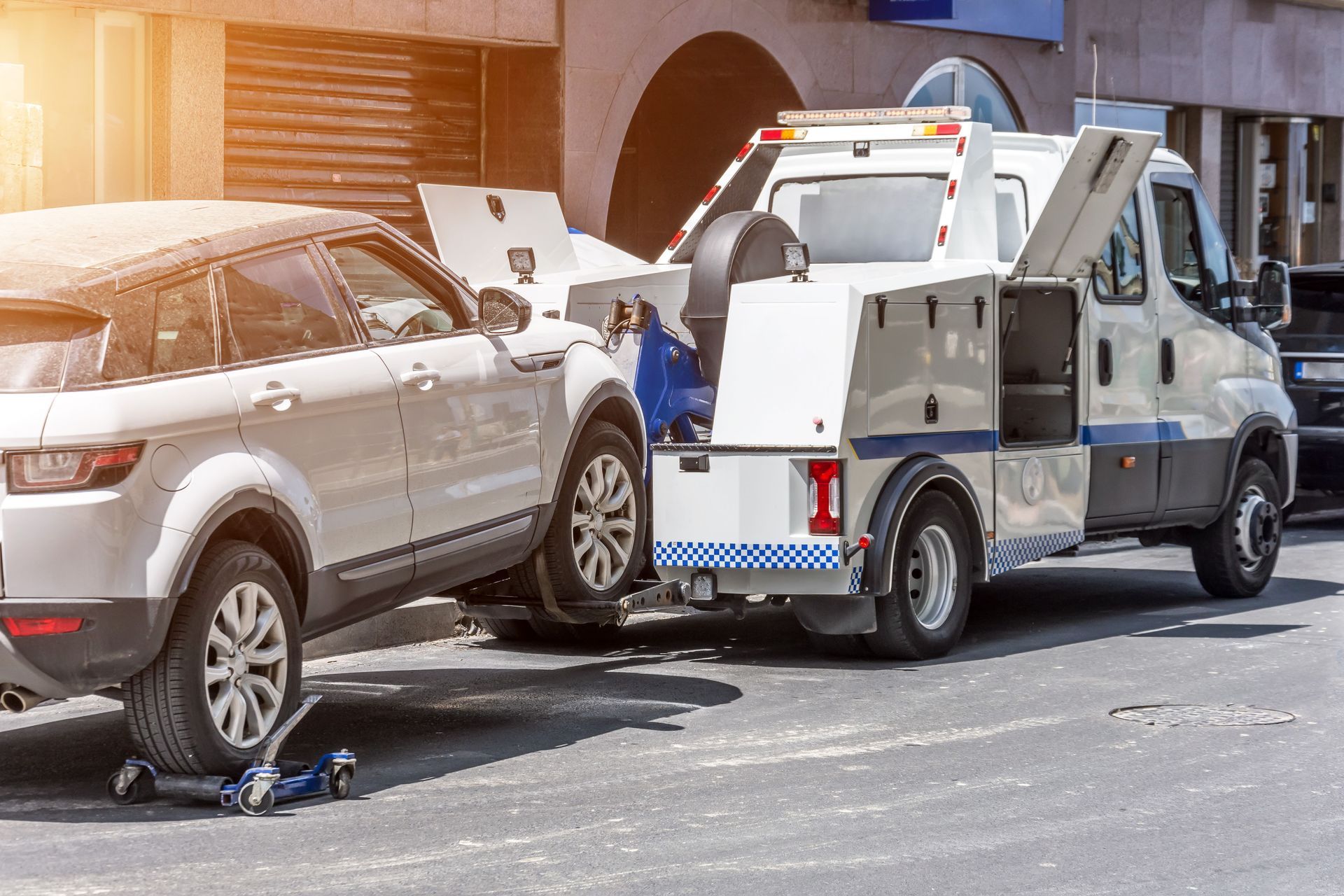
Vehicle damage can become worse when a car or truck is moved incorrectly after an accident, breakdown, or other roadside problem. A tow truck provides a controlled way to move a disabled vehicle while reducing the chance of additional damage to its tires, suspension, body, or other components. This article explains how proper towing can help limit further vehicle damage and why seeking professional help is often the safest choice after a vehicle becomes disabled.
Protecting Damaged Components
A vehicle that has already sustained damage may have parts that are no longer operating as they should. A damaged wheel, bent suspension component, leaking fluid system, or compromised body panel can make moving the vehicle more difficult. Driving it, even for a short distance, may place additional stress on these areas. A tow truck can move the vehicle without requiring the damaged components to handle normal road conditions. This can help prevent existing problems from becoming more severe. Professional towing also gives the vehicle owner a way to have the vehicle transported to an appropriate location for further inspection. Moving a damaged vehicle carefully is especially important when the condition of the vehicle is unclear. Problems that are not immediately visible can become more serious when a vehicle is driven or moved without the right equipment.
Reducing Road Contact
Disabled vehicles may have tires, wheels, or suspension parts that are not safe for continued road contact. A flat tire may be manageable in some situations, but a damaged wheel or suspension system can create a more serious problem. Continuing to drive can cause additional wear and may affect other nearby components. Using a tow truck reduces the need for the vehicle to travel under its own power. Depending on the vehicle's condition, the appropriate towing equipment can help limit contact between damaged areas and the road. This can be particularly useful after collisions or mechanical failures that affect the vehicle's ability to move normally. Reducing road contact also helps limit the possibility of additional damage caused by uneven pavement, potholes, turns, braking, or other driving conditions.
Preventing Improper Movement
How a vehicle is moved can have a major effect on the condition of damaged components. Pulling, pushing, or transporting a vehicle without suitable equipment may place force on parts that are already compromised. Improper movement can turn a relatively contained repair into a larger maintenance issue. A tow truck allows a disabled vehicle to be moved using equipment designed for transportation. The process can account for the vehicle's condition and the type of problem involved. This approach can reduce unnecessary strain during loading, positioning, and transportation. Professional assistance can also help determine whether a vehicle should be moved at all and what type of transportation method is appropriate. This is valuable when the vehicle has significant damage or when the owner cannot clearly identify the cause of the problem.
Limiting Additional Mechanical Stress
Mechanical problems can affect more than one part of a vehicle. For example, an issue with a wheel or suspension system may place added pressure on other components if the vehicle continues moving. A vehicle with engine, transmission, or braking problems can also experience additional stress when operated after a failure occurs. Having a tow truck transport the vehicle can reduce the mechanical demands associated with continued driving. Instead of putting additional miles and operating forces on a damaged vehicle, the vehicle can be moved to a location where its condition can be evaluated. This approach can be useful even when a vehicle appears capable of moving. A vehicle may still operate despite having damage that could worsen during transportation. Seeking professional help provides a safer option when there is uncertainty about whether continued driving could create additional problems.
Avoiding Secondary Damage
Vehicle damage does not always remain limited to the area where a problem first occurred. A damaged tire can affect a wheel, while a damaged suspension component can influence steering and handling. Loose body parts can also create additional problems if they shift or come into contact with the road. A tow truck can help limit these secondary risks by removing the need to drive the vehicle. Keeping the vehicle stationary until it can be transported reduces the chance that an existing issue will lead to another problem. This can be especially important after an accident. Even when the vehicle appears mostly intact, there may be damage underneath the body or around the wheels. Moving the vehicle carefully can help preserve its condition until it receives a more complete inspection.
Protecting Vehicle Safety
Preventing further damage is not only about protecting the vehicle's repair value. A damaged vehicle may also have reduced steering, braking, or stability. Driving under these conditions can create additional risks for the driver and others on the road. A tow truck offers a way to remove a disabled vehicle from active traffic without requiring it to be driven. This can help reduce exposure to additional collisions, road hazards, and mechanical problems. It also allows the vehicle to be transported to a location where the underlying issue can be addressed. Safety becomes even more important when a vehicle has been involved in a collision or suddenly stops operating. Seeking professional assistance can help reduce unnecessary risks while the vehicle is being moved.
Supporting Careful Transportation
Professional towing also provides a more controlled transportation process. A vehicle may need to be moved from a roadway, parking area, accident scene, or other location. The condition of the vehicle and the surrounding environment can affect how it should be handled. The towing industry serves a large number of drivers across the country. According to IBISWorld, there are nearly 40,000 operating towing companies in the United States. This reflects the broad need for vehicle transportation when cars and trucks cannot safely continue operating. Careful transportation can help protect damaged areas from unnecessary movement. It also gives vehicle owners a practical way to relocate a disabled vehicle without adding mileage or mechanical stress.
Reducing Repair Complications
Further vehicle damage can make an existing repair more complicated. A problem that initially affects one area may spread to other components when the vehicle is driven after damage occurs. Additional damage can increase repair time, affect replacement needs, and create more disruption for the vehicle owner. Using a tow truck to transport a disabled vehicle can help keep the situation contained. Instead of continuing to operate a vehicle with a known or suspected problem, the owner can have it moved for evaluation and repairs. Early transportation can be particularly helpful when warning signs include unusual noises, fluid leaks, steering problems, damaged tires, smoke, or difficulty stopping. These signs can indicate that continued operation may create additional problems.
Knowing when to stop driving can make a meaningful difference after vehicle damage occurs. If a vehicle cannot operate normally or shows signs of a serious mechanical issue, continued driving may create unnecessary risks. Professional transportation can provide a controlled way to move the vehicle while limiting additional strain. The goal is not only to get the vehicle from one location to another. Proper transportation can help protect damaged components, reduce secondary problems, and give the vehicle a better chance of reaching a repair location in its existing condition. When your vehicle cannot safely continue operating, contact All Seasons Towing for professional help with a tow truck and get your vehicle moved while reducing the risk of further damage.